
Plants for Shade
We used to think of shady areas in the garden as a challenge; now they are more of a blessing. Shady areas are welcome areas in our hotter summers, where we can create a cooler area with lush planting.
Gardening in shade doesn’t mean dull planting. Many plants thrive in partial or full shade, offering flowers, foliage and nectar for pollinators.
This guide to plants for shade highlights reliable perennials that grow well in shady gardens, with links to detailed growing advice for each plant. Getting plants to grow in shady areas is still about "the right plant in the right place".
However, it is important to make a distinction between dry and damp shade, which present different growing conditions and I have listed different plants which are best in damp shade. There are also various shade tolerant shrubs and even some herbs you can grow in shade.
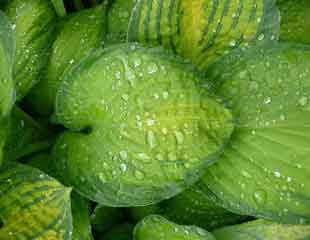
Plants tolerant of dense shade tend to be foliage plants. There are varieties of Hosta which are shade-tolerant. Many ferns will grow in shade and will also tolerate dry shade, which can be hard to accommodate.
Epimedium, a spring flowering low growing ground cover plant, is happy in full shade, as is Convallaria majalis, Lily of the Valley.
Shade loving plants with links to detailed growing guides
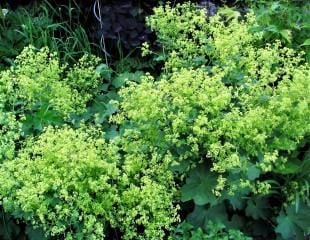
Alchemilla mollis, with its tiny flowers, creates a frothy, lime-green plant that is tolerant of partial to full shade. Easy to grow, Alchemilla's only drawback is its extensive self-seeding.
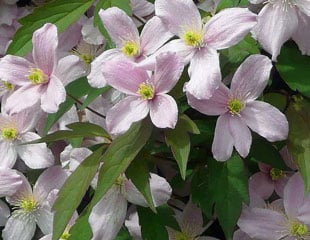
Clematis montana is a Clematis favourite and early flowering. C. montana is vigorous and tolerant of partial shade. The lovely variety illustrated is 'Elizabeth' with the benefit of vanilla scented flowers.
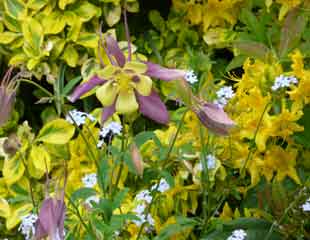
This combination lifts a shady corner: Euonymus makes a bright splash of colour in light shade areas teamed with Aquilegia and yellow scented Rhododendron luteum
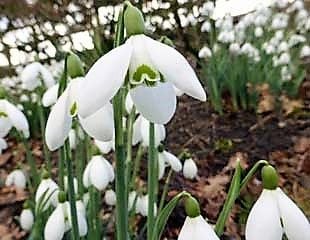
Snowdrops are another woodland plant and are suitable in partial shade. They are also suitable for planting under trees and shrubs. Once established, trouble-free.
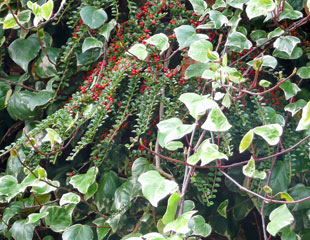
Really tough conditions, such as dry shade or deep shade, need tough plants. A combination of common Ivy and Cotoneaster horizontalis are such a combination and wildlife friendly
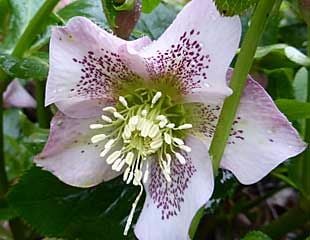
Hellebores will grow in dappled shade, some in sun and some in deeper shade. It's important to check out the variety to suit your growing conditions, because not all Hellebores are shade-tolerant. They are easy to grow and self seeders.
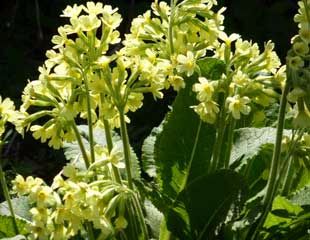
Primula will grow well in partial shade but only in soil which is moisture retentive, they will struggle in dry shade. Primula look particularly good planted around shrubs and streams. This is the humble cowslip, our native Primula veris.
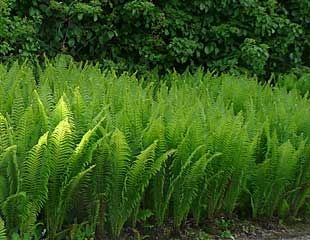
Ferns grow well in shade. Different varieties are suitable for dry and damp areas. Ferns look especially attractive in early spring as the fronds unfurl and also grouped together, as illustrated, these are shuttlecock ferns.
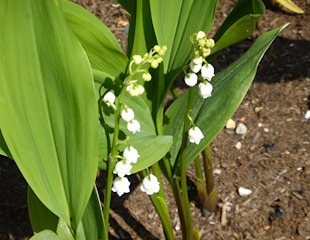
Convallaria majalis, Lily of the Valley will grow in deep shade. It flowers from late March onwards and has white nodding bell flowers which are sweetly scented. It is low growing, 25cms with lush green leaves.
Japanese anemone
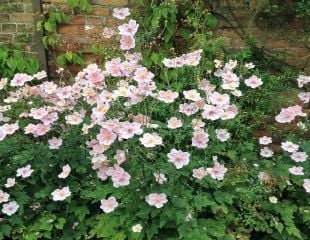
Japanese anemone is a late summer flowering herbaceous perennial. They flower well in shade and have large attractive saucer-shaped flowers. Easy to grow, reaching around 75cms and despite being tall they do not need staking. The only problem is that they are vigorous and for many smaller gardens, too vigorous. They will quickly colonise an area, so plant with care.
Digitalis common foxglove
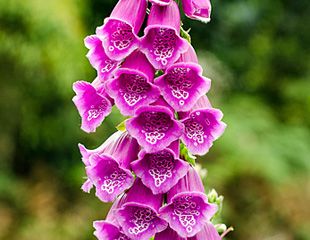
Digitalis, our common foxglove, is happy growing in shade, including dry shade. It is a self seeding biennial which is easy to grow and a UK native.
As a biennial, it will germinate and grow one year, flower and set seed the next. It is a continuous cycle masking the fact that it is biennial. All parts of the plant are poisonous.
Aquilegia
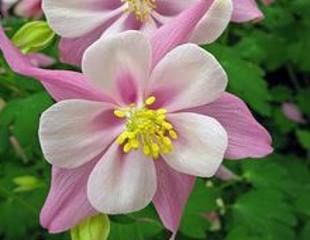
Aquilegia is a spring-flowering shade-tolerant perennial. Too often thought of as a cottage plant, there is a wide range of Aquilegias in many shades and colours. Easy to grow, although a short-lived perennial, because they self-seed, new plants appear in the garden each year. This lovely pink variety is A. ' Rose Queeen'
Vinca Minor
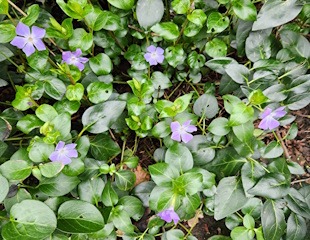
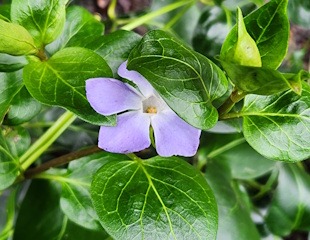
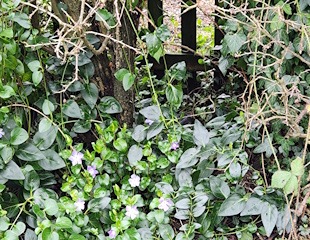
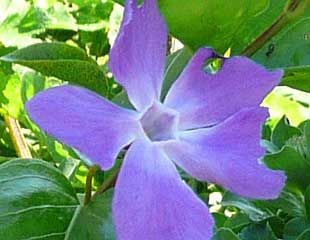
This small slide show illustrates vinca growing under a hedge. It is a tough, ground-cover plant that will grow in shade, even dense shade. It has glossy leaves and attractive purple flowers. Recommended is to grow Vinca minor, not V.major which can be invasive.
A Shade-loving plant which is a magnet for bees and pollinators
Many bee friendly plants need to be grown in full sun, but Persicaria amplexicaulis , Red Bistort is an exception, preferring damp soil and semi-shade.
Enjoy the lovely short summer video with the sound of the bees and birds singing in the background.
Honey bees are all over this Persicaria, as the short video shows. If you are planting in damp soil, pond margins, or a bog garden and want to attract pollinators, consider Persicaria.