
Wildlife-Friendly Plants: Creating a Garden That Supports Nature
While pollinator-friendly planting is important, a truly wildlife-friendly garden supports a wide range of insects, birds and other beneficial creatures. Creating a wildlife-friendly garden is about more than choosing individual plants that are attractive to pollinators. It is also about creating an environment that is wildlife-friendly by combining different factors that support nature.
Key Points:
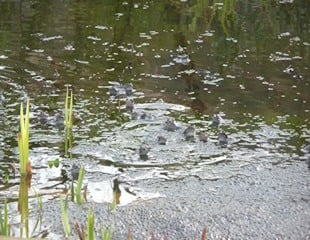
Water. The main attraction for all forms of wildlife is a water source. A pond or small water feature and a bird bath will attract a wide range of wildlife, including birds, insects, toads, frogs, hawkers and damselflies, and small mammals. Water is crucial to all wildlife.
Diversity is important; the wider the range of shrubs, plants, and hedges you can incorporate into your garden, the greater the diversity of wildlife you will attract.
Don't be too tidy: As gardeners, we have gravitated away from too tidy gardens to a more natural environment, which is more wildlife-friendly. Leaving lawns longer, letting areas grow wild, and incorporating log piles are all good for wildlife.
Attract birds: There are huge benefits in attracting birds into your garden. In addition to the joy they bring, birds eat a range of insects, including aphids, slugs, caterpillars, grubs and larvae, spiders, earwigs and help to keep your garden healthy. Gardens are miniature ecosystems where nature works together: nectar-rich plants feed insects, insects feed birds, and the combined activity helps maintain a healthy, balanced environment for all wildlife. To attract more birds into your garden you need to create a bird-friendly habitat, a safe place with plenty of shelter, food, like berry bushes, and water. Providing hedges instead of fences creates extra green spaces, which can help to reduce pollution.
Food Nectar-rich flowers have an important role to play; bees and butterflies are looking for food which is exactly what nectar-rich plants provide.
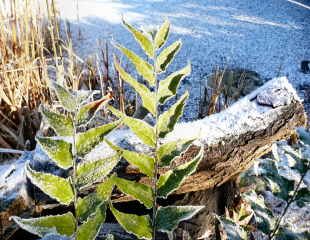
The cafe has to be open all year round, not just in the summer. This means incorporating plants throughout winter, think Winter flowering Honeysuckle, spring flowering nectar plants, right through into late autumn flowering mature Ivy.
A Wildlife-Friendly pond Supports Nature
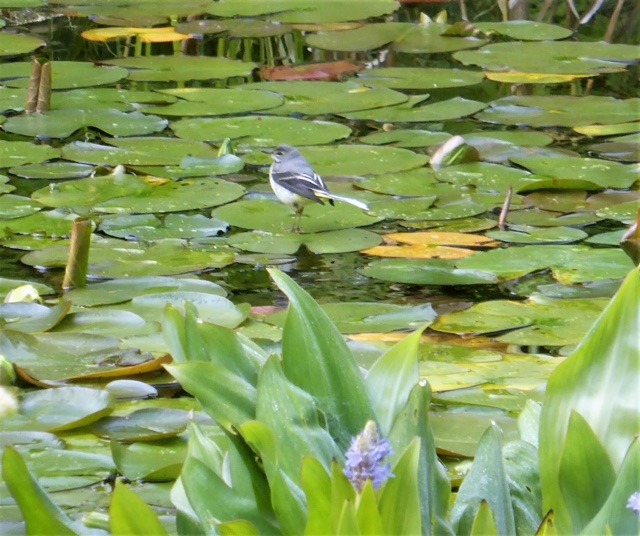
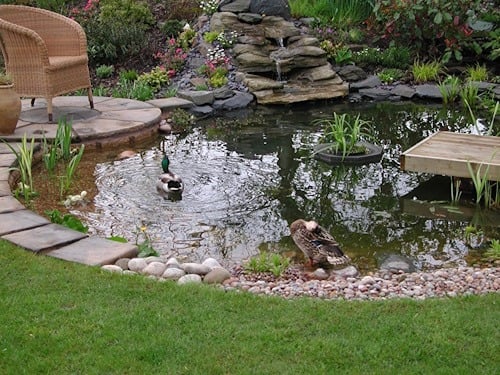
Ponds, birdbaths and a source of water are important features to attract wildlife into your garden. You can make your garden pond wildlife-friendly by incorporating running water, a small "beach" or sloped area for small mammals to access the water without falling in, and perhaps a log pile nearby.
Bees and Butterflies are attracted to simple flowers which include wildflowers, which will attract all sorts of pollinators. It is easier than you may think to create a small patch of wildflowers by using a pre-sown impregnated mat, which makes a nice wildlife-friendly alternative to traditional bedding plants.
If you specifically want to attract bees and butterflies, there are plenty of nectar rich plants to grow.
Wildlife friendly Plants
Some plants are wildlife friendly champions, attracting a diverse selection of pollinators, not just bees and butterflies. These plants add real value if you are looking to create a wildlife friendly garden.
Purple Loosestrife is a UK native and attracts a wide range of pollinators, particularly long-tongued pollinators, hover flies and is host to several caterpillars, including Elephant Hawk Moth.
It is a tall, perennial which flowers from June to September and is best planted in moist soil which does not dry out, although you will see here it's growing happily alongside grasses and geraniums, both of which are planted in average soil in a sunny position.
Our Native Ivy is one of the most pollinator and wildlife-friendly shrubs for the garden. It provides nesting material and shelter for birds. Flowering late in the summer, it provides an autumn source of nectar, and many species of insect will overwinter in its evergreen foliage.
The Woodland Trust estimates that English Ivy supports up to 50 species of wildlife.
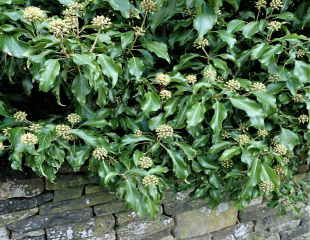
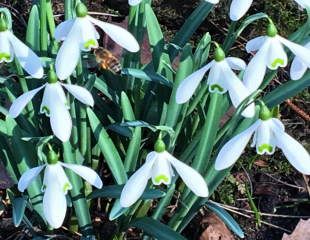
Many plants attract pollinators, and insects will add wildlife to the garden. There are so many to choose from, but the key is diversity and to include plants flowering throughout the whole year to provide nectar at all times. We start with the humble snow drop, not the best photograph, but it makes the point.